English
 Indonesia
Apr 08 2025
Exclusive Factory Visit Invitation | Discover Hydraulic Sealing Solutions at 2025 Canton Fair
Read More >

A floating oil seal delivers exceptional sealing performance under extreme operating conditions. It offers superior wear resistance, reliable contamination exclusion, and effective automatic compensation for surface wear. This combination ensures long-lasting reliability, making the floating oil seal especially valuable in heavy-duty environments such as construction, mining, and agricultural machinery.
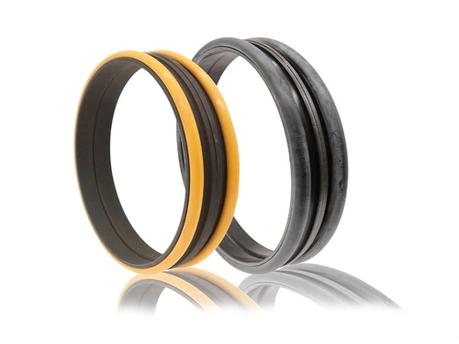
The floating oil seal typically consists of two metal rings—one rotating, one stationary—supported by elastomeric elements like O-rings to maintain axial pressure and alignment. Commonly used materials include high-chromium cast iron for excellent wear resistance and alloy cast iron offering enhanced corrosion and high-temperature resistance. This structural design enables the floating oil seal to sustain pressures up to 30 MPa and temperatures from –100 °C to 200 °C, while resisting abrasive contaminants such as mud, dust, and water.
| Feature | Benefit Description |
|---|---|
| Wear Resistance | Ensures long service life even under abrasive conditions |
| Automatic Compensation | Maintains seal integrity despite gradual surface wear |
| Temperature & Pressure Tolerance | Operates reliably across wide temperature and pressure ranges |
| Contamination Exclusion | Keeps out harmful dust, debris, and moisture |
The floating oil seal stands out for its ability to adapt dynamically to wear while maintaining a precise seal—ideal for rotating components exposed to harsh environments.
The self-aligning, non-contact nature of the floating oil seal generates an oil film that dynamically seals rotating parts—reducing friction and extending operational efficiency, particularly in high-speed machinery. Its simple yet effective construction enables dependable functionality with minimal complications, contributing to reduced maintenance needs and enhanced uptime.