Email Us

The Science of Dust Seals: Keeping Contaminants Out of Your Hydraulic System


Table of Content [Hide]

    Hydraulic systems are the backbone of countless industrial and mobile applications, from heavy construction equipment to precision manufacturing machinery. Their efficiency and longevity are critically dependent on the purity of the hydraulic fluid. Even microscopic contaminants can cause significant wear and damage to internal components. This is where dust seals, also known as wiper seals or rod wipers, play an indispensable role. This article explores the science behind dust seals, their function in preventing contamination, and how they contribute to extending the lifespan of your hydraulic system, offering vital insights for B2B buyers.
    dust_seals_protection.webp

    The Threat of Contamination in Hydraulic Systems

    Hydraulic systems are inherently sensitive to contamination. External contaminants, such as dust, dirt, mud, moisture, and abrasive particles, can enter the system through the rod extension and retraction cycles. Once inside, these contaminants can:
    Accelerate Wear: Abrasive particles act like sandpaper, grinding away at precision-machined surfaces of rods, pistons, and cylinder bores.
    Damage Seals: Contaminants can embed themselves in seals, causing nicks, cuts, and premature wear, leading to internal and external leakage.
    Clog Filters: Increased contamination loads overwhelm filters, leading to frequent replacements and potential filter bypass, allowing dirty fluid to circulate.
    Degrade Fluid: Water and other foreign substances can chemically degrade hydraulic fluid, reducing its lubricating properties and leading to corrosion.
    Cause System Failure: Ultimately, unchecked contamination can lead to catastrophic component failure, resulting in costly repairs and extensive downtime.

    How Dust Seals Work: The First Line of Defense

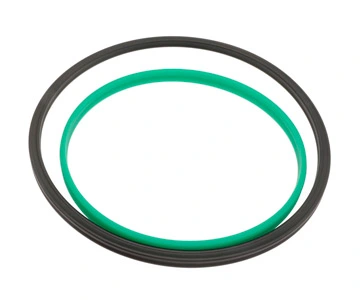
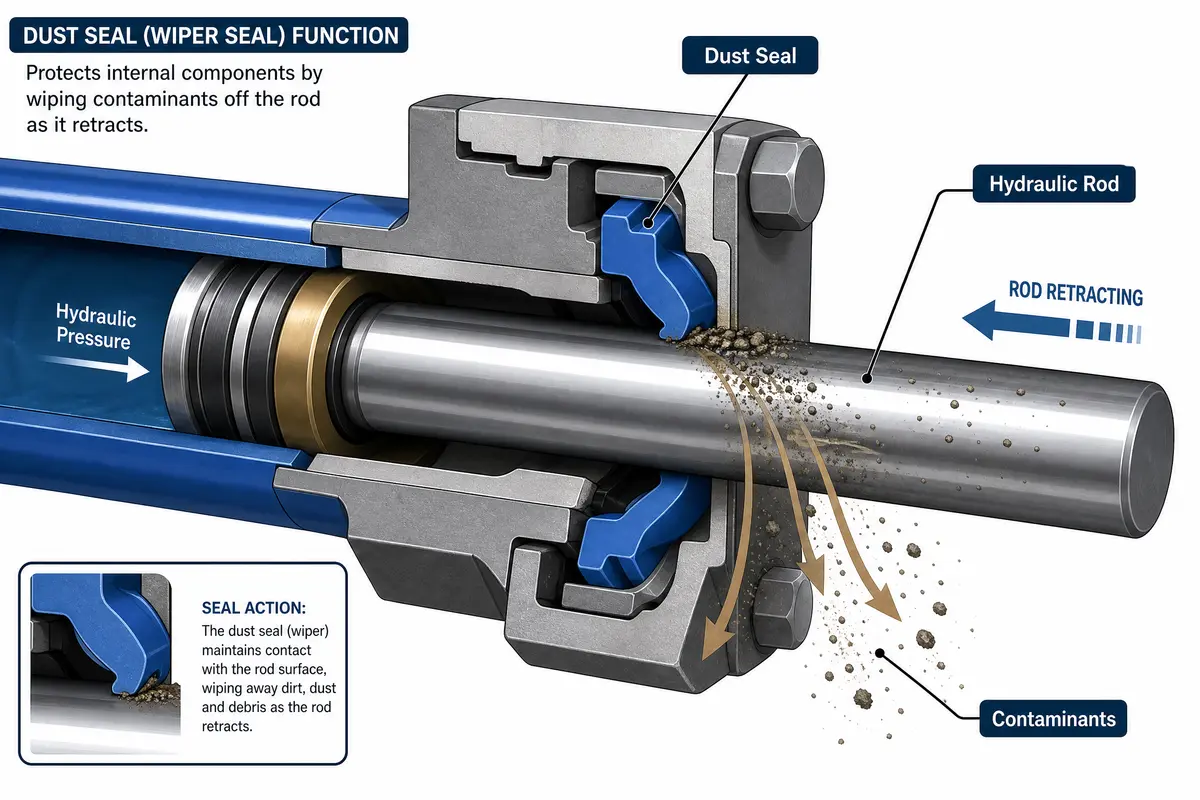
    Dust seals are specifically designed to be the first line of defense against external contamination. They are typically mounted in the cylinder head, on the external side of the primary rod seal. Their primary function is to wipe away contaminants from the hydraulic rod as it retracts into the cylinder, preventing them from entering the hydraulic system.
    Key features and mechanisms of dust seals include:
    1.Wiping Lip Design: Dust seals feature a sharp, flexible wiping lip that maintains constant contact with the hydraulic rod. As the rod retracts, this lip scrapes off dirt, dust, and moisture, effectively cleaning the rod surface.
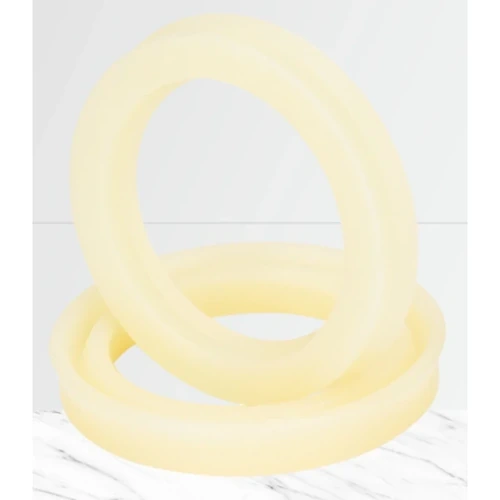
    2.Material Selection: Dust seals are often made from robust, abrasion-resistant materials like polyurethane (PU) or NBR, chosen for their ability to withstand harsh external environments and resist wear from abrasive particles.
    3.Interference Fit: The wiping lip is designed with an interference fit, ensuring a tight seal around the rod to maximize wiping efficiency.
    4.Drainage Features: Some dust seals incorporate drainage grooves or channels to allow wiped-off contaminants and moisture to escape, preventing their accumulation around the seal.

    The Benefits of High-Quality Dust Seals

    Investing in high-quality dust seals yields significant benefits for hydraulic system operators:
    Extended System Lifespan: By preventing contamination, dust seals protect all internal hydraulic components, including the rod seal, piston seal, bearings, and valves, from premature wear and damage.
    Reduced Maintenance Costs: Fewer contaminated components mean less frequent repairs, filter changes, and fluid replacements, leading to substantial cost savings.
    Increased Uptime: A cleaner hydraulic system is a more reliable system, reducing unexpected breakdowns and maximizing operational uptime.
    Improved Fluid Purity: Maintaining fluid cleanliness is crucial for optimal hydraulic performance and efficiency.
    Enhanced Safety: Preventing leaks caused by damaged seals contributes to a safer working environment.

    Selecting the Right Dust Seal

    When choosing dust seals, B2B buyers should consider:
    1.Operating Environment: The type and amount of external contamination present (e.g., fine dust, mud, water).
    2.Rod Diameter: Ensure the dust seal matches the hydraulic rod diameter for proper fit and wiping action.
    3.Material Compatibility: Select a material that can withstand the ambient temperature and any potential chemical exposure.

    4.Seal Profile: Different dust seal profiles are available, each optimized for specific applications and contamination levels.

    By recognizing the critical role of dust seals and selecting high-quality products, B2B professionals can significantly enhance the reliability, efficiency, and longevity of their hydraulic systems. JR Seal offers a comprehensive range of precision-engineered dust seals and rod wipers, designed to provide superior contamination protection for even the most demanding applications.
    References
    JR SEAL Latest News & Blogs
    Explore More Seal Kit Information
    Quick Links
    Reach Us
    Add:
    Room 807, Building No.7, No.36 Zhuji Road, Tianhe District, Guangzhou, China
    A5 Building, Zhucun No.6 Industrial Zone, Tianhe District, Guangzhou, China
    GUANGZHOU JIARUI SEALS CO., LTD.
    Produce sealing elements for you! Whenever and whatever you need, we can provide the best solution for you.
    To Know JR SEAL More
    GUANGZHOU JIARUI SEALS CO., LTD.
    Produce sealing elements for you! Whenever and whatever you need, we can provide the best solution for you.
    To Know JR SEAL More
    Room 807, Building No.7, No.36 Zhuji Road, Tianhe District, Guangzhou, China
    A5 Building, Zhucun No.6 Industrial Zone, Tianhe District, Guangzhou, China
    jr@jrsealing.com 020-32381126