English
 Indonesia
Jun 05 2024
Sealing Products in the Construction Industry
Read More >

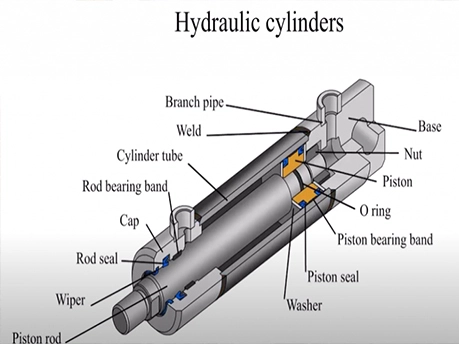
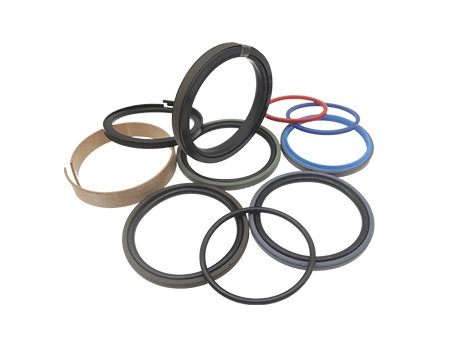
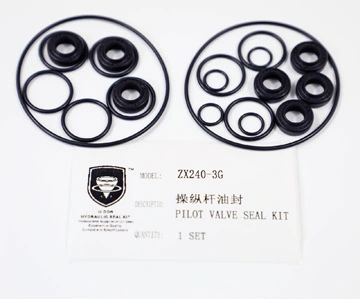
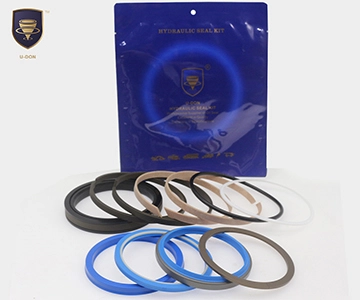
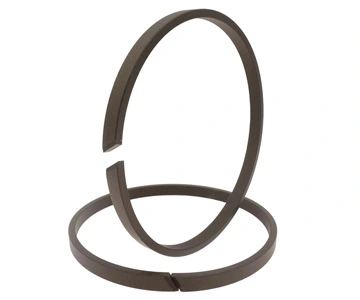
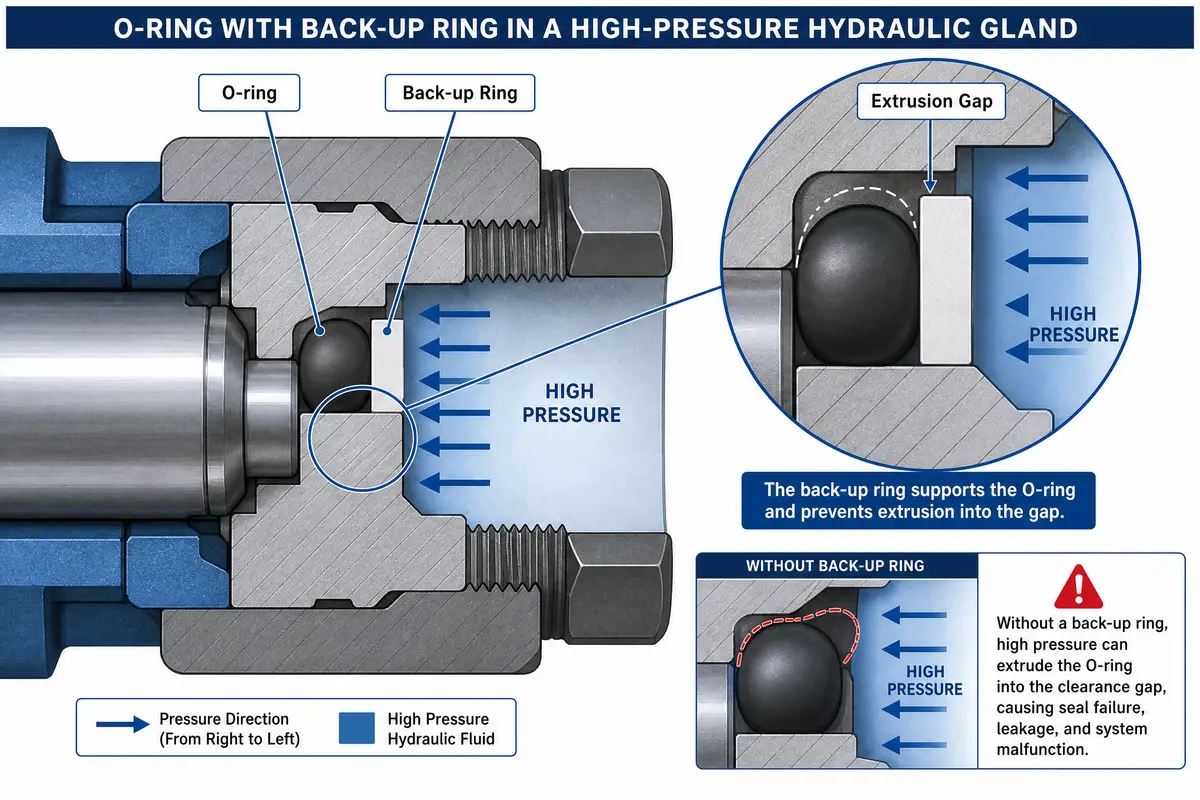
In the intricate world of hydraulic systems, seals are indispensable components that prevent fluid leakage, maintain pressure, and protect internal machinery. While all hydraulic seals serve the fundamental purpose of containing fluid, they are broadly categorized into two main types based on their application: static seals and dynamic seals. For B2B professionals involved in the design, maintenance, or procurement of hydraulic components, understanding the distinct characteristics, functions, and applications of these two seal types is crucial for optimal system performance and longevity. This guide clarifies the differences and helps in making informed selection decisions.
Feature | Static Seals | Dynamic Seals |
Relative Motion | None | Present (reciprocating, oscillating, rotary) |
Primary Function | Prevent leakage between stationary parts | Prevent leakage between moving parts |
Wear | Minimal, primarily from aging or chemical attack | Significant, due to friction and movement |
Friction | Very low | Higher, requires lubrication |
Design | Simpler (e.g., O-rings, gaskets) | More complex (e.g., U-cups, chevron seals) |
Failure Modes | Compression set, chemical degradation | Abrasion, extrusion, heat buildup, loss of lubrication |