Email Us

Common Causes of Hydraulic Cylinder Seal Failure and How to Prevent Them


Table of Content [Hide]

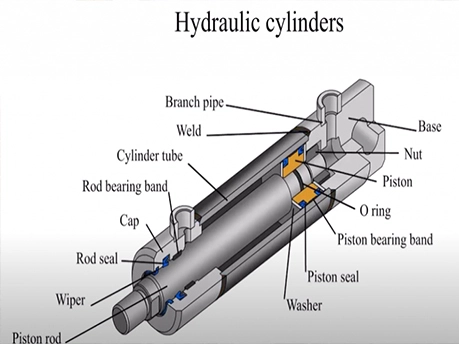
    Hydraulic cylinders are vital components in a vast array of industrial and mobile equipment, providing the linear force necessary for heavy-duty operations. At the core of their functionality are hydraulic seals, which prevent fluid leakage and maintain system pressure. However, these seals are often subjected to extreme conditions, making them prone to failure. Understanding the common causes of hydraulic cylinder seal failure is the first step toward implementing effective preventive measures, reducing downtime, and extending the operational life of your machinery.
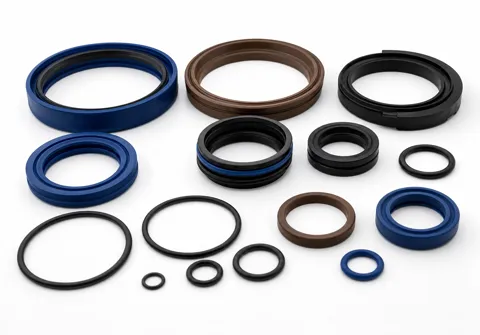
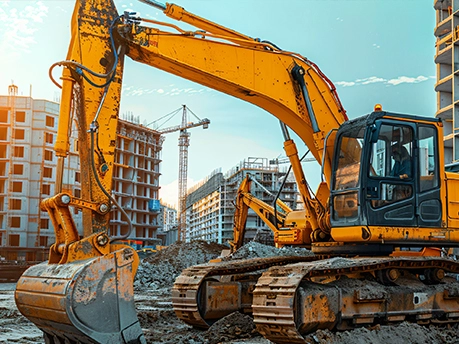
    common-causes-of-hydraulic-cylinder-seal-failure-and-how-to-prevent-them.webp


    Key Causes of Hydraulic Cylinder Seal Failure

    Seal failure can manifest in various ways, but most issues stem from a few recurring problems. Identifying these helps in proactive maintenance.

    1. Contamination: The Silent Killer

    Contamination is the most prevalent cause of seal degradation. Abrasive particles (dust, dirt, metal shavings) and corrosive fluids (water, incompatible oils) can enter the hydraulic system, leading to:
    Abrasive Wear: Hard particles scratch and abrade seal surfaces, creating leakage paths.
    Chemical Degradation: Incompatible fluids or additives can cause seals to swell, shrink, harden, or soften, compromising their integrity.
    Fluid Degradation: Overheated or oxidized hydraulic fluid can form sludge and varnish, which are abrasive and can clog filters, leading to increased system pressure and seal stress.

    2. Improper Installation: A Critical Error

    Many seal failures occur shortly after installation due to errors during assembly. Common installation mistakes include:
    Damage During Assembly: Nicks, cuts, or twists in the seal material caused by sharp edges, improper tools, or insufficient lubrication.
    Incorrect Sizing or Type: Using a seal that is too large, too small, or made of an incompatible material for the application.
    Poor Surface Finish: Rough surfaces on the rod or bore can quickly abrade new seals.

    3. Extreme Operating Conditions: Beyond Design Limits

    Hydraulic systems often operate under demanding conditions that can push seals beyond their intended limits:
    Excessive Pressure: High pressure can cause seals to extrude into the clearance gap, leading to permanent deformation and eventual failure.
    High Temperatures: Elevated temperatures accelerate material degradation, causing seals to harden, crack, or lose elasticity. It also degrades the hydraulic fluid.
    Side Loading/Misalignment: Uneven forces on the cylinder rod can cause uneven wear on seals and bearings, leading to premature failure.

    4. Material Degradation and Aging

    Even under ideal conditions, seal materials have a finite lifespan. Over time, seals can:
    Harden and Crack: Due to heat and chemical exposure, seals can lose their flexibility.
    Swell or Shrink: Incompatible fluids or prolonged exposure to certain chemicals can alter seal dimensions.
    Lose Elasticity: Repeated compression and decompression cycles cause seals to lose their ability to rebound, leading to leakage.

    Effective Prevention Strategies

    Preventing seal failure is more cost-effective than repairing it. Implement these strategies to safeguard your hydraulic systems:

    1. Maintain Fluid Cleanliness and Quality

    Regular Fluid Analysis: Periodically test hydraulic fluid for contamination levels, water content, and chemical degradation.
    High-Quality Filtration: Use appropriate filters and replace them regularly. Consider adding breathers to reservoirs to prevent airborne contaminants from entering.
    Proper Storage: Store hydraulic fluids and components in clean, dry environments to prevent contamination before use.

    2. Ensure Correct Installation Procedures

    Trained Personnel: Only allow trained technicians to install seals.
    Proper Tools: Use specialized seal installation tools to prevent damage.
    Lubrication: Always lubricate seals and mating surfaces with clean hydraulic fluid or a compatible lubricant before installation.
    Inspect Surfaces: Ensure cylinder rods and bores are smooth and free from burrs or scratches.

    3. Optimize Operating Conditions

    Monitor System Pressure: Operate within the manufacturer's recommended pressure limits.
    Manage Temperature: Ensure the hydraulic system operates within its optimal temperature range. Check for proper cooling and avoid prolonged overheating.
    Prevent Side Loading: Ensure proper alignment of cylinders and avoid excessive side loads on the rod.

    4. Choose High-Quality Seals and Materials

    Material Selection: Select seals made from materials specifically designed for your application's fluid, temperature, and pressure requirements. JR Seal offers a wide range of high-performance seal kits tailored for various industrial applications.
    OEM Specifications: Always use seals that meet or exceed OEM specifications for optimal fit and performance.
    Regular Replacement: Adhere to recommended replacement schedules for seals, even if they appear to be functioning, as aging can lead to sudden failure.

    Conclusion

    Hydraulic cylinder seal failure is a common, yet largely preventable, issue that can lead to significant operational disruptions and repair costs. By understanding the primary causes—contamination, improper installation, extreme operating conditions, and material degradation—and implementing robust preventive maintenance strategies, you can dramatically improve the reliability and lifespan of your hydraulic systems. Investing in high-quality seal kits and adhering to best practices will ensure your machinery continues to perform efficiently and effectively. For reliable sealing solutions, trust JR Seal to provide the expertise and products you need.
    References
    JR SEAL Latest News & Blogs
    Explore More Seal Kit Information
    Quick Links
    Reach Us
    Add:
    Room 807, Building No.7, No.36 Zhuji Road, Tianhe District, Guangzhou, China
    A5 Building, Zhucun No.6 Industrial Zone, Tianhe District, Guangzhou, China
    GUANGZHOU JIARUI SEALS CO., LTD.
    Produce sealing elements for you! Whenever and whatever you need, we can provide the best solution for you.
    To Know JR SEAL More
    GUANGZHOU JIARUI SEALS CO., LTD.
    Produce sealing elements for you! Whenever and whatever you need, we can provide the best solution for you.
    To Know JR SEAL More
    Room 807, Building No.7, No.36 Zhuji Road, Tianhe District, Guangzhou, China
    A5 Building, Zhucun No.6 Industrial Zone, Tianhe District, Guangzhou, China
    jr@jrsealing.com 020-32381126