Email Us

Troubleshooting Hydraulic Cylinder Drifting: Is it the Seal or the Valve?


Table of Content [Hide]

    Hydraulic cylinder drifting is a common and frustrating problem in heavy machinery and industrial equipment. It occurs when a hydraulic cylinder, once extended or retracted to a certain position, slowly moves from that position without an active command. This can lead to safety hazards, reduced operational efficiency, and increased cycle times. For maintenance managers and equipment operators, accurately diagnosing the cause of cylinder drifting—whether it's a faulty seal or a malfunctioning valve—is crucial for effective and timely repair. This guide will help B2B professionals pinpoint the root cause and implement the correct solution.
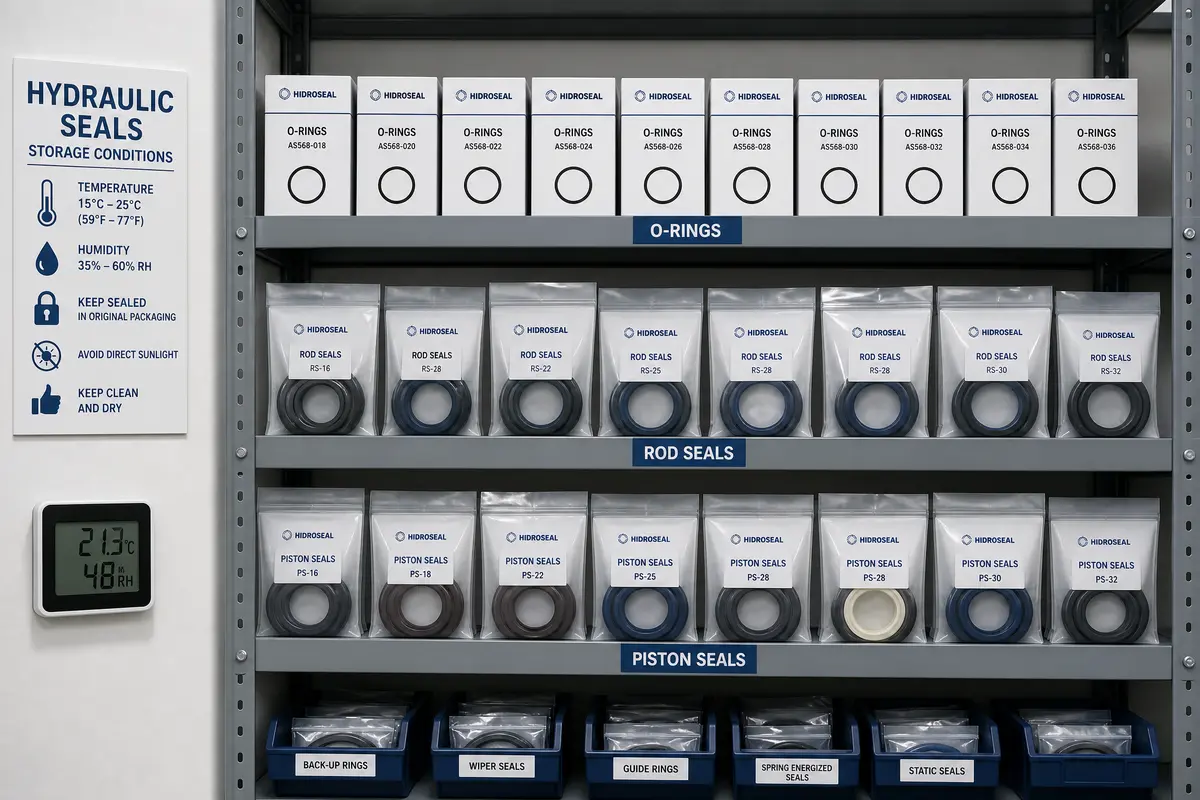
    hydraulic_seal_storage.webp

    Understanding Hydraulic Cylinder Drifting

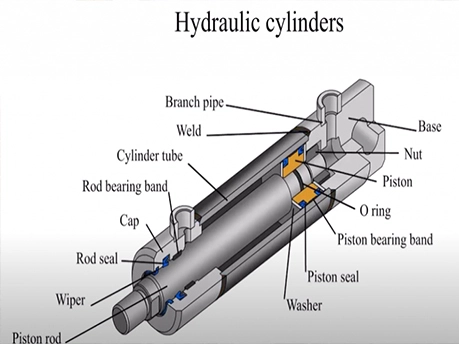
    Cylinder drifting is essentially an internal leak within the hydraulic system that allows fluid to bypass a component, causing the cylinder to move unintentionally. The two primary culprits are typically:
    1.Internal Cylinder Seal Leakage: The piston seal within the cylinder allows fluid to bypass from the high-pressure side to the low-pressure side.
    2.Control Valve Leakage: The directional control valve or counterbalance valve fails to hold the cylinder in position, allowing fluid to escape or shift.

    Symptoms of Cylinder Drifting

    Slow, Unintended Movement: The most obvious symptom is the gradual movement of the cylinder rod when it should be stationary.
    Loss of Holding Power: Equipment attachments (e.g., excavator boom, forklift mast) slowly lower or drift out of position.
    Reduced Lifting Capacity: While not always directly related to drifting, severe internal leaks can also impact lifting power.
    Increased Cycle Times: The system may take longer to achieve desired positions due to fluid bypass.

    Diagnosing the Root Cause: Seal vs. Valve

    Distinguishing between a seal leak and a valve leak is critical for efficient troubleshooting. Here’s a systematic approach:

    Method 1: Isolating the Cylinder

    1.Position the Cylinder: Extend the cylinder to a position where drifting is observed.
    2.Isolate the Cylinder: Disconnect the hydraulic lines leading to the cylinder and cap them off. Ensure the lines are securely capped to prevent fluid loss and contamination.
    3.Observe: If the cylinder continues to drift after the lines are capped, the problem is almost certainly an internal cylinder seal leak (piston seal bypass). The fluid is bypassing the piston internally.
    4.Observe (No Drifting): If the cylinder holds its position after the lines are capped, the problem lies upstream in the control valve or associated plumbing.

    Method 2: Pressure Testing (More Advanced)

    1.Connect Pressure Gauges: Install pressure gauges on both sides of the cylinder.
    2.Apply Pressure: Apply pressure to one side of the cylinder while blocking the other side.
    3.Observe Pressure Drop: If the pressure on the high-pressure side drops rapidly while the cylinder drifts, and there's no external leakage, it indicates an internal cylinder seal leak.
    4.Observe Pressure Hold: If the pressure holds, but the cylinder still drifts when the valve is engaged, it points to a control valve leak.

    Common Causes for Each:

    Internal Cylinder Seal Leakage:
    Worn Piston Seals: The most common cause. Seals harden, crack, or wear down over time, allowing fluid bypass.
    Damaged Cylinder Bore: Scratches, scoring, or corrosion on the cylinder bore can create pathways for fluid to bypass even new seals.
    Improper Seal Material: Using seals incompatible with the fluid or operating temperature.
    Incorrect Seal Installation: Pinching or damaging seals during assembly.
    Control Valve Leakage:
    Worn Spool or Valve Body: Internal wear in the directional control valve allows fluid to bypass the spool.
    Faulty Check Valves: If the valve has integrated check valves, they might be failing to hold pressure.
    Contaminated Valve: Dirt or debris lodged in the valve can prevent it from fully closing.
    Malfunctioning Counterbalance Valve: If present, a faulty counterbalance valve can allow the cylinder to drift under load.

    Solutions and Prevention

    Once the cause is identified, implementing the correct solution is straightforward:
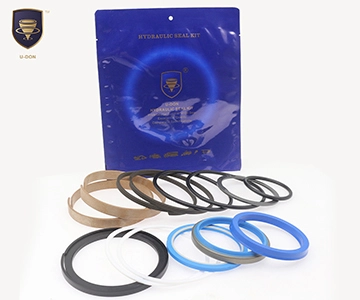
    For Cylinder Seal Leaks: Replace the piston seals with a high-quality hydraulic cylinder seal kit. Inspect the cylinder bore for damage and repair if necessary. Ensure proper installation techniques.
    For Control Valve Leaks: Repair or replace the faulty control valve. This may involve cleaning, replacing internal components, or a complete valve replacement.
    Prevention:
    Regular Fluid Maintenance: Keep hydraulic fluid clean and free of contaminants to prevent wear on seals and valves.
    Use Quality Seals: Invest in durable, high-performance seals from reputable suppliers like JR Seal.
    Proper System Design: Ensure cylinders and valves are correctly sized for the application.
    Scheduled Inspections: Routinely check for signs of wear and leakage.

    Conclusion

    Hydraulic cylinder drifting is a clear indicator of an internal leak that requires prompt attention. By systematically diagnosing whether the issue stems from the cylinder seals or the control valve, B2B professionals can avoid unnecessary repairs and costly downtime. Investing in high-quality replacement seals and maintaining your hydraulic system diligently are key to preventing drifting and ensuring the reliable, efficient operation of your heavy machinery. JR Seal provides the premium hydraulic seal kits you need to keep your cylinders holding strong and your operations running smoothly.


    References
    JR SEAL Latest News & Blogs
    Explore More Seal Kit Information
    Quick Links
    Reach Us
    Add:
    Room 807, Building No.7, No.36 Zhuji Road, Tianhe District, Guangzhou, China
    A5 Building, Zhucun No.6 Industrial Zone, Tianhe District, Guangzhou, China
    GUANGZHOU JIARUI SEALS CO., LTD.
    Produce sealing elements for you! Whenever and whatever you need, we can provide the best solution for you.
    To Know JR SEAL More
    GUANGZHOU JIARUI SEALS CO., LTD.
    Produce sealing elements for you! Whenever and whatever you need, we can provide the best solution for you.
    To Know JR SEAL More
    Room 807, Building No.7, No.36 Zhuji Road, Tianhe District, Guangzhou, China
    A5 Building, Zhucun No.6 Industrial Zone, Tianhe District, Guangzhou, China
    jr@jrsealing.com 020-32381126