English
 Indonesia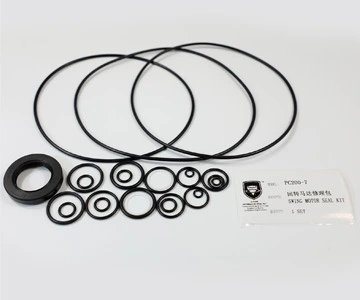
Oct 10 2026
JR Seal Leadership Joins Guangzhou Construction Machinery Industry Association on Strategic Visit to Authorized Caterpillar Dealer Sime CEL
Read More >
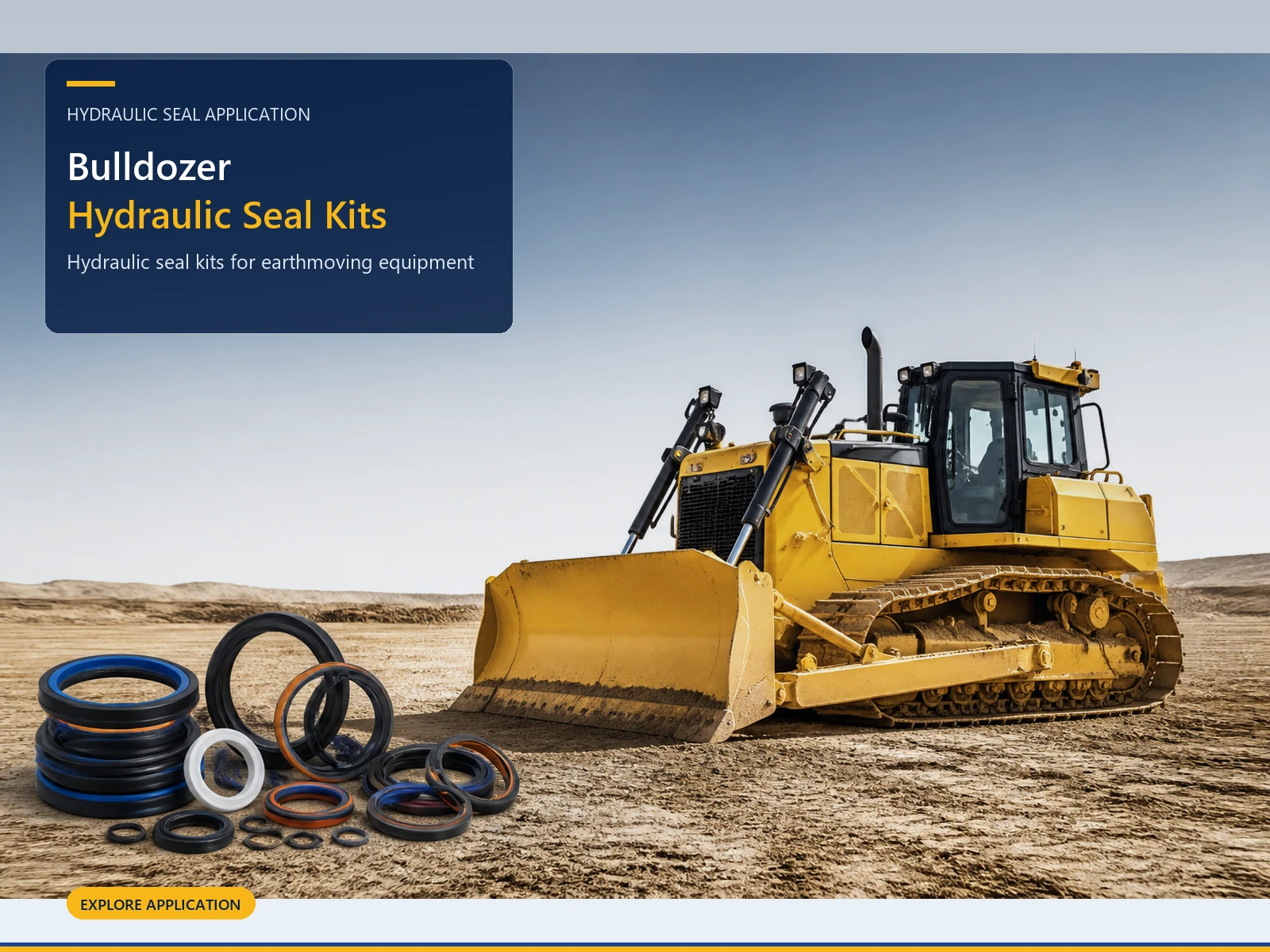
A bulldozer works in the most abrasive conditions of any machine on a site. The blade pushes material continuously, the tracks move that material under the machine, and dust is present at every hour of operation. Hydraulic sealing on a bulldozer is therefore less about pressure and more about contamination: what gets past the wiper determines how long the seals behind it survive.
This page is general application information for bulldozer hydraulic sealing, written for earthmoving equipment maintenance and repair. Hydraulic sealing applications for selected bulldozer models from Caterpillar, Komatsu, Shantui, Liebherr, Dressta, XCMG and other major brands. Confirm the bulldozer model, component and part details with JR Seal before ordering.
Blade lift and blade tilt cylinders are the main hydraulic actuators on a bulldozer, and they work against shock loads when the blade meets compacted or rocky material. Ripper cylinders, where the machine is equipped with a ripper, add a further set of cylinders that operate under similar conditions. Steering on a crawler dozer is usually achieved through the transmission and steering clutches rather than through hydraulic cylinders, but the hydraulic circuits that support them still contain seals.
The dominant wear factor is airborne abrasive dust entering past the rod wiper. Once the wiper is damaged, particles reach the rod seal and the buffer seal, and the resulting leakage is often mistaken for a simple seal failure. Rod scoring from the same particles accelerates the process, so checking the rod surface during a repair is worthwhile.
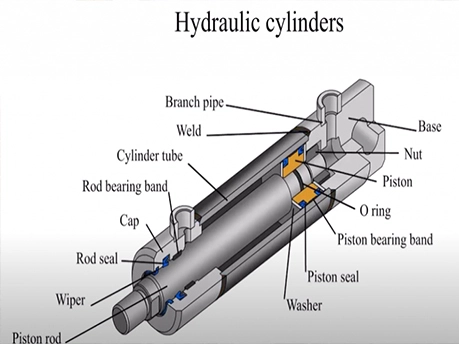
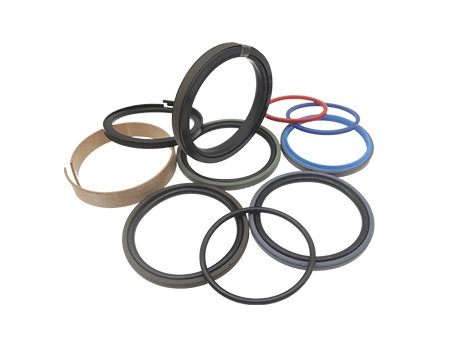
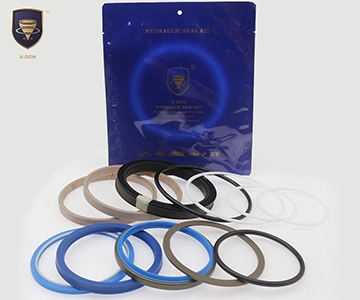
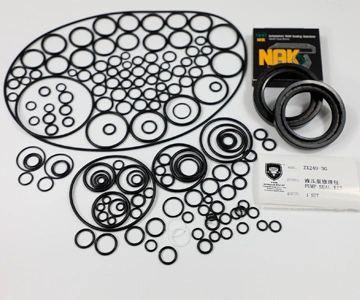
The components most often re-sealed are the blade lift cylinders, blade tilt cylinders and ripper cylinders, together with the track adjusters during undercarriage service. The seal groups involved are rod seals, wipers or dust seals, buffer seals, piston seals, wear rings and static O-rings with backup rings. The hydraulic pump and the main control valve are inspected less often, but both are sealing points that should be considered on high-hour machines.
Confirm the bulldozer model, component and part details with JR Seal. General component information is provided for maintenance planning, not as a statement of coverage for a specific machine.
To allow a match to be checked, send the bulldozer model and series, the hydraulic component involved, and the seal dimensions or the original part number. A photograph or cross-section drawing of the removed seal helps where no number is available. Quantity, packing preference and destination port should be confirmed as well.
As with other construction equipment, matching is normally done from the component rather than from the machine model, because the same model can be built with more than one cylinder or valve generation.
Dust Seal and Buffer Seal
You can also browse the full hydraulic seal products catalogue.
Hydraulic Seals Application – overview of sealing applications for construction equipment.
All Construction Equipment Applications – sealing solutions by equipment type and hydraulic component.
Excavator Hydraulic Seal Kits – excavator sealing applications by component.
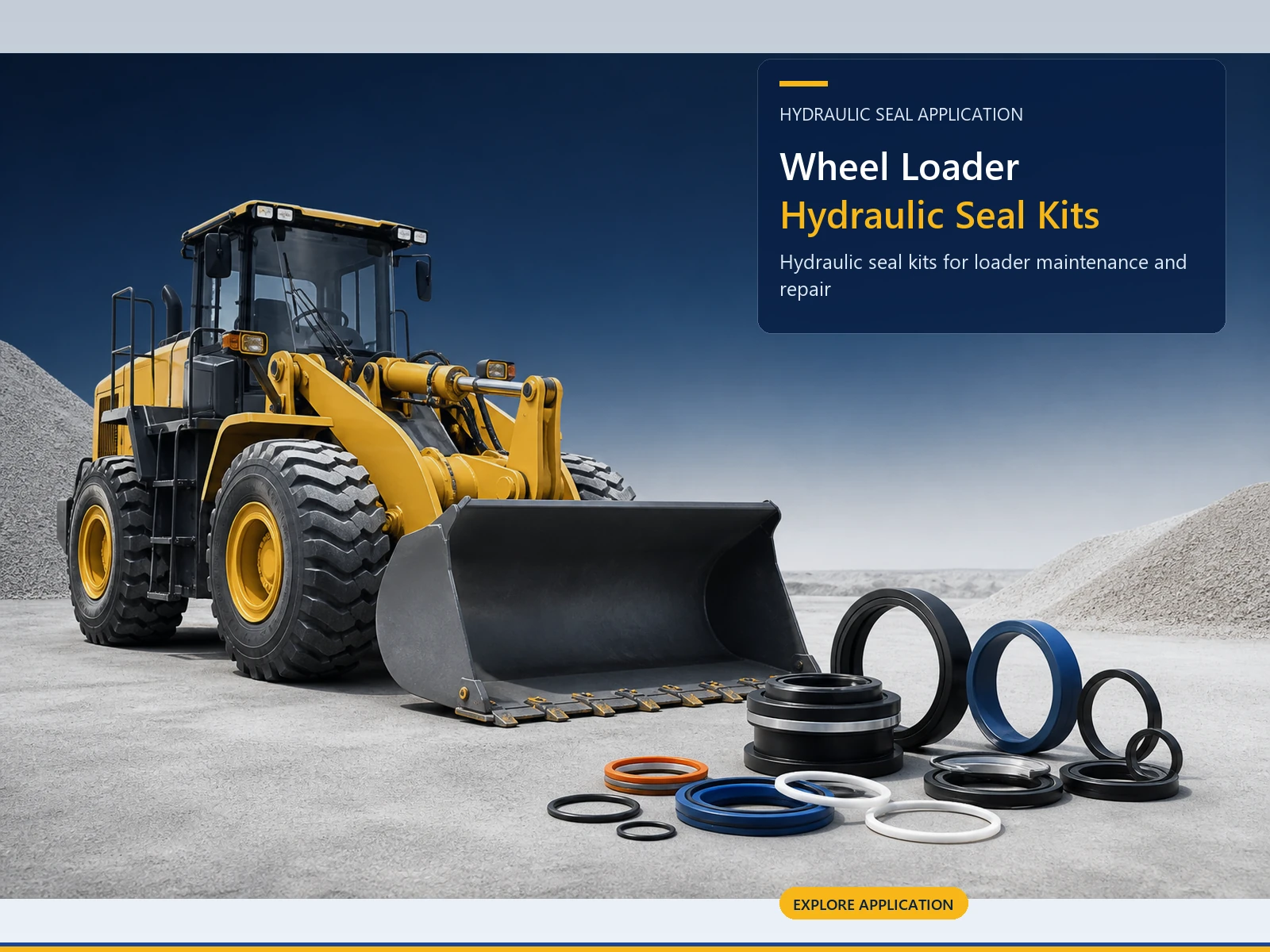
Wheel Loader Hydraulic Seal Kits – wheel loader cylinder and equipment maintenance.
Backhoe Loader Hydraulic Seal Kits – backhoe loader hydraulic equipment maintenance.
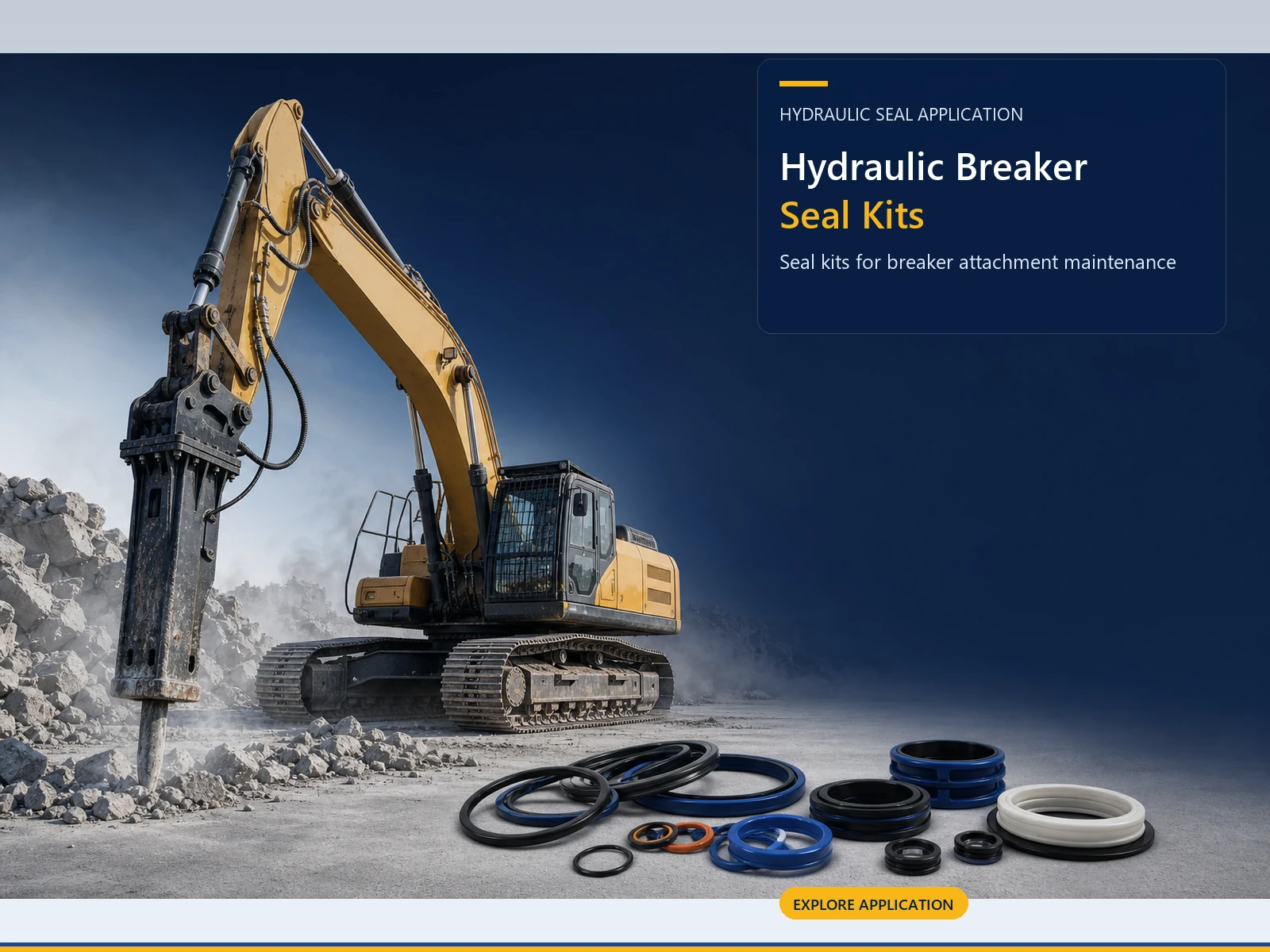
Hydraulic Breaker Hydraulic Seal Kits – attachment sealing applications.
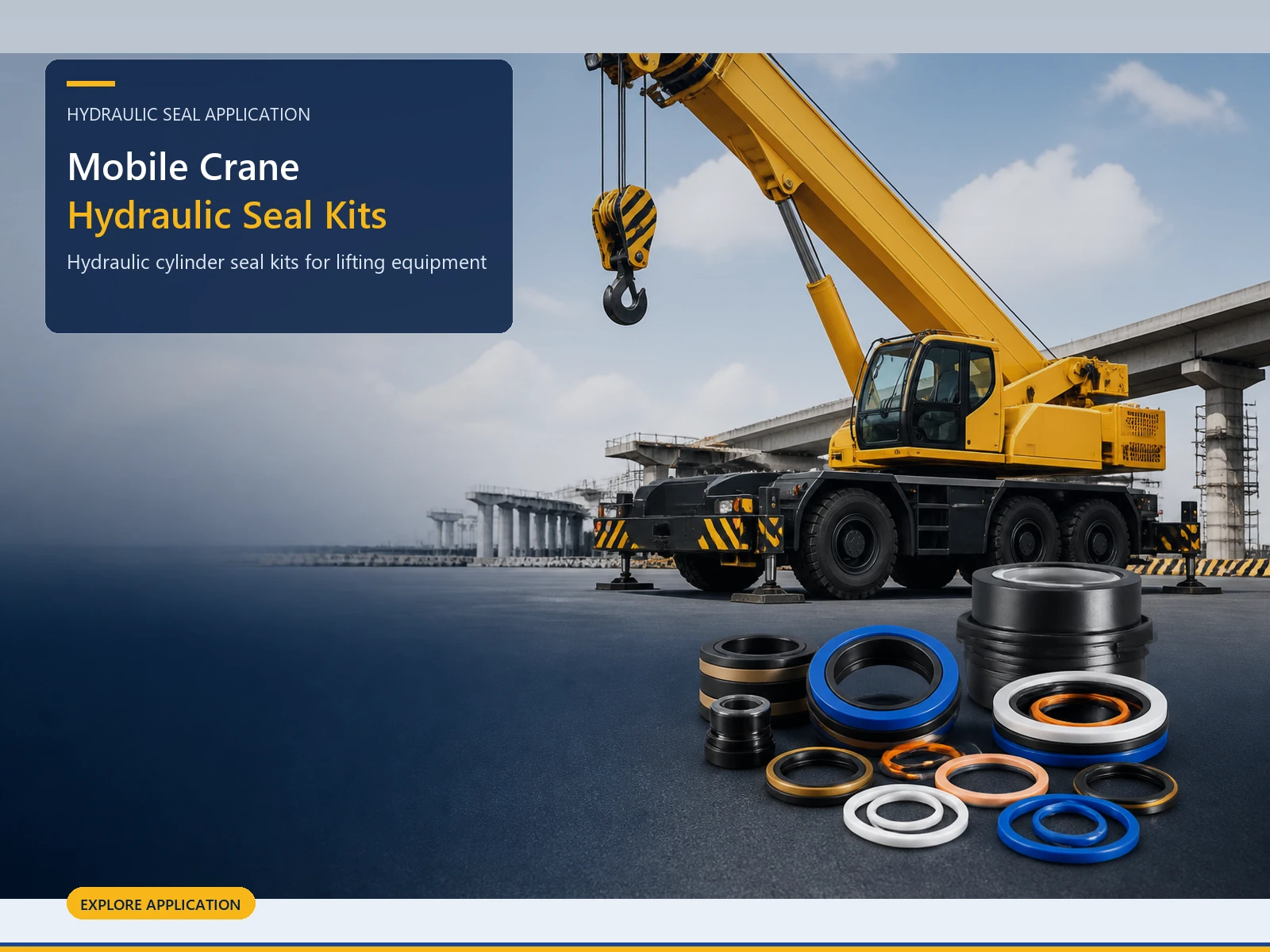
Mobile Crane Hydraulic Seal Kits – lifting equipment sealing applications.
On earthmoving equipment, sealing maintenance is closely linked to undercarriage service. Track adjusters are usually re-sealed while the tracks are being inspected, and blade cylinders are often re-sealed during the same workshop visit. Planning the two together reduces the number of times the machine has to be taken out of service.
Because the working environment is abrasive, the condition of the rod surface matters more on a bulldozer than on most other machines. Particles that pass the wiper can score the rod, and a scored rod will not hold a new seal even if the seal itself is correct. Where a rod shows damage, the practical repair is to restore or replace the rod rather than to fit another seal kit.
For machines working in continuous earthmoving duty, keeping a spare cylinder seal kit and a spare set of dust seals on site is a practical approach. It allows a leaking cylinder to be dealt with during a scheduled service window instead of becoming an unplanned stoppage.
Confirm the bulldozer model, component and part details with JR Seal before ordering.
Because of continuous exposure to abrasive dust. When the wiper is overwhelmed, particles reach the pressure seals and cause rapid wear on both the seal and the rod.
This depends on the machine design and the condition of the adjuster. The seal kit itself can normally be supplied separately from the undercarriage parts.
Send your bulldozer model, the hydraulic component and either the seal dimensions or the original part number. JR Seal will review the application and reply with a suitable option or a request for further details. Please contact JR Seal to start a matching enquiry.