English
 Indonesia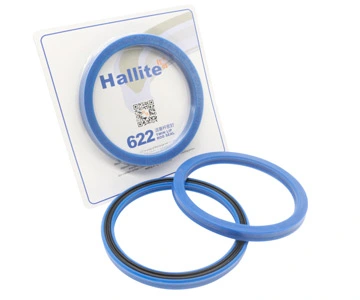
Aug 25 2026
Excavator vs Backhoe Loader Cylinder Seal Kits: What Buyers Should Verify Before Ordering
Read More >
When a hydraulic seal no longer matches an off-the-shelf part, the fastest route to a replacement is a request built from evidence: the worn part itself, a drawing sheet, or a careful set of measurements. This guide is a buyer-side checklist for that situation. It explains what to prepare before you contact a seal supplier, so that the first reply you receive is a quotation with questions rather than a request to start over.
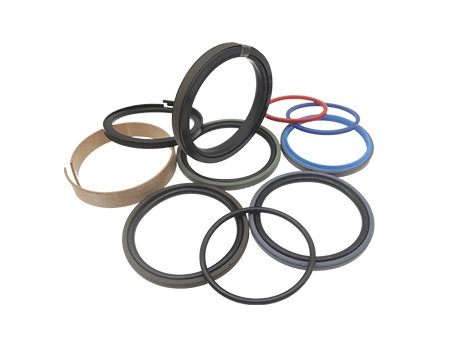
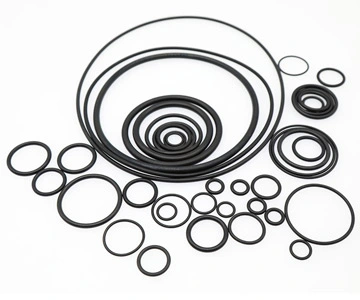
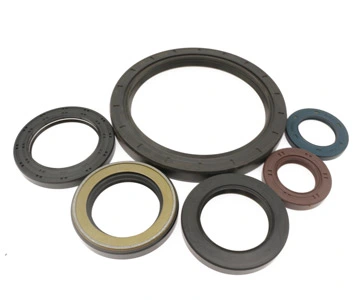
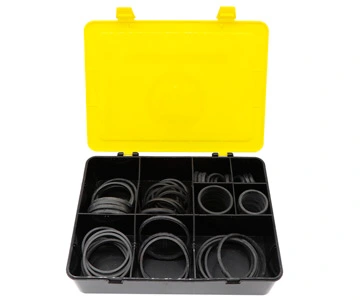
It is written for maintenance planners, parts buyers and workshop engineers who need a custom hydraulic seal kit specified from real hardware rather than from a catalogue description. If you would rather see the range of sealing products first, start from the hydraulic seal kits and sealing products overview.
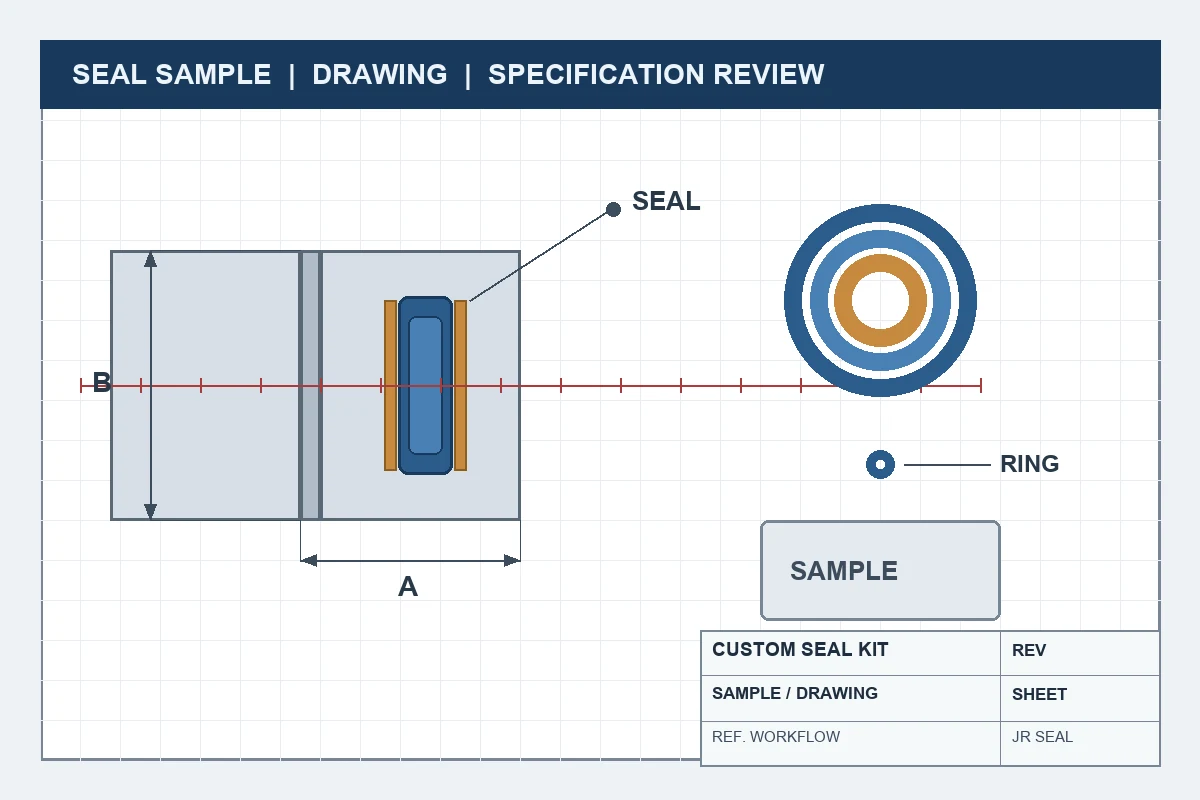
Begin by describing where the seal works. The application tells a supplier almost as much as the dimensions do, and it is often the only information available when a part number has worn off.
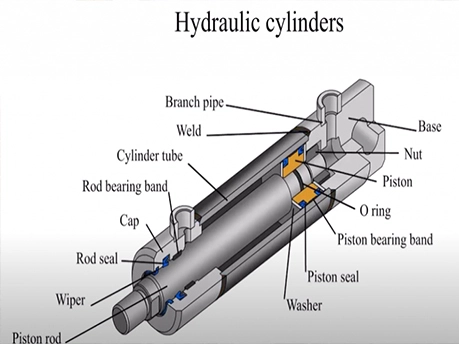
Record the machine type and the assembly the seal belongs to, for example a hydraulic cylinder, a pump, a travel motor or a swing motor. Note the position of the seal inside that assembly, such as rod, piston or housing, because the same bore size can use different seal profiles depending on where the seal sits.
Then describe what the machine was doing when the leak appeared. A slow weep after long service, a sudden failure after a pressure spike, and damage found during a scheduled rebuild are three different stories, and each one points to different questions from a supplier.
If you still have the failed seal, treat it as primary evidence, but photograph it before you clean it and clean it before you measure it.
Photograph the seal in place, then removed, from the front, the side and the cross-section if it is already split.
Keep any fragments. A torn lip, a flattened section or a hardened, cracked ring tells a supplier more about the failure mode than a written description can.
Record whether the seal is a single moulded part or an assembly of several components, such as a main sealing element with a backup or anti-extrusion ring.
Note colours and any moulded markings, and photograph them at close range even if the part number is only partly legible.
Keep the mating parts, such as rod, piston, gland or bore, with the seal if you can, so that the surfaces the seal ran against are available for inspection.
When the machine documentation survives, a drawing sheet is the cleanest starting point, because it already contains the geometry a supplier needs. Send the complete sheet rather than a cropped view, and keep the revision block visible.
Note the drawing number, the revision and the date on the sheet.
Check the units and the projection convention on the sheet. Mixing unit systems is one of the most common causes of a wrong seal being made.
Identify the seal's location in the assembly view, not only in the detail view.
Include any notes on surface finish, tolerances, or the groove in which the seal sits.
If the drawing is only partly legible, say which dimensions you have verified yourself and which are your best reading.
Take measurements on the hardware, use the same instrument for the whole set, and record the instrument and the units you worked in. Write down what you measured rather than rounding it to a convenient figure.
Outside and inside dimensions across the seal itself.
Cross-section or thickness, measured at more than one point so that a worn or distorted area becomes visible.
Groove width and groove depth, if the seal is being replaced in an existing groove.
Bore and rod diameters at the seal's working position, taken away from any wear step.
Any measured run-out, scoring or step in the mating surface, described as observed rather than estimated.
A simple sketch with your own dimension lines is often more useful than a long written description. Mark on the sketch which numbers are measured values and which are nominal values taken from a drawing.
A custom seal is only as good as the operating conditions it is asked to survive, so describe those conditions in plain terms.
The fluid in the system and its condition, including whether the oil is clean, contaminated, or has been changed recently.
The working temperature range as observed in service, and whether the machine runs continuously or in short cycles.
Working pressure and any pressure peaks in the circuit, quoted from the machine's own specification where that is available.
Speed and motion type, such as rotating, reciprocating or static, at the seal's position.
The material family the machine specification calls for, if it is already known, so that it can be matched or discussed.
Where you do not know a value, say so. A supplier can work with an admitted gap, while a guessed figure can only produce a seal that fits nothing.
Tell the supplier how many assemblies you maintain and how the parts should arrive. Itemise the request as a kit or as individual components, and state which of the two you prefer.
How many machines or assemblies the request must cover, and whether this is a single repair or a planned stock.
Whether the kit should be supplied as a complete set with all seal components, or as individual parts you will assemble yourself.
How the parts should be labelled and packed so that they can be identified later in a workshop store.
Whether you will need the same specification again, and what reference you intend to use when reordering.
Before accepting a quotation, read it back against your own notes. Confirm that the quoted item matches the sample, drawing or measurements you sent, that the quantity and packaging are what you asked for, and that the reference the supplier used will let you order the same item again.
Also confirm which details the supplier took from your evidence and which were their own proposal, so that the approved specification is on record. If a value in the quotation differs from your measurement, ask which of the two the supplier intends to manufacture to.
Photographs of the seal in place, removed, and close up.
The failed part itself, or fragments of it, set aside.
Drawing sheet with number, revision and units.
Measured dimensions with the instrument used, plus your own sketch.
Application description: machine, assembly, position and duty cycle.
Fluid, temperature and pressure information you can actually support.
Required quantity, kit or component preference, and packing expectations.
A contactable person for follow-up questions.
JR Seal groups the paths you will need in one place. The customization page sets out how a custom request moves from raw material through forming and processing to inspection. Custom and OEM sealing items sit in the OEM seal range, and the quality control page describes the checks applied before shipment.
When your evidence pack is ready, send it through the JR Seal contact page so that the details can be reviewed against your drawings and samples.
A custom hydraulic seal kit is specified from evidence, not from adjectives. Photograph and keep the failed part, quote the drawing revision, measure the hardware with the instrument you used, describe the duty honestly including the values you do not know, and confirm the approved specification in writing. Do that, and a replacement request stops being a negotiation about information and becomes a straightforward order.