English
 Indonesia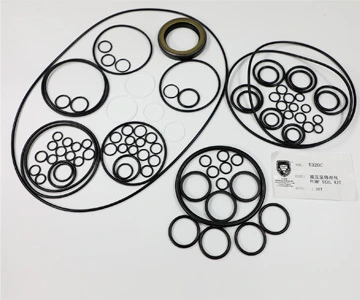
Sep 08 2026
How to Compare Hydraulic Seal Kit Suppliers Without Relying on Price Alone
Read More >
Buying a hydraulic seal kit should not begin with a product name alone. For an excavator parts supplier or repair shop, the same equipment may use different seal kits for the boom, arm, bucket, travel motor, swing motor, pump, or control valve. A short RFQ with only “excavator seal kit” can therefore create several rounds of questions before a supplier can confirm the right product.
A useful RFQ gives the supplier enough information to identify the application, check the available reference data, and prepare a quotation without guessing. This checklist explains what to include when requesting a hydraulic seal kit for excavator parts.
Quick answer: The most useful RFQ normally includes the machine brand and model, the hydraulic component, the OEM or reference part number, available dimensions, clear photos, required quantity, operating conditions, packaging needs, destination, and your preferred sample or quotation process.
Begin with the equipment identity, not only the seal name. Include as many of the following details as you can verify:
Machine brand
Exact machine model
Model series or generation, if known
Equipment serial number, when relevant and available
Country or market where the machine is operating
The component that needs repair
For example, “excavator hydraulic seal kit” identifies a product category, but it does not identify the exact repair location. “Hydraulic cylinder seal kit for [verified machine model]” gives the supplier a more useful starting point.
Do not assume that machines with similar model names use the same kit. Model suffixes, production years, component suppliers, and local configurations can affect the reference information that must be checked.
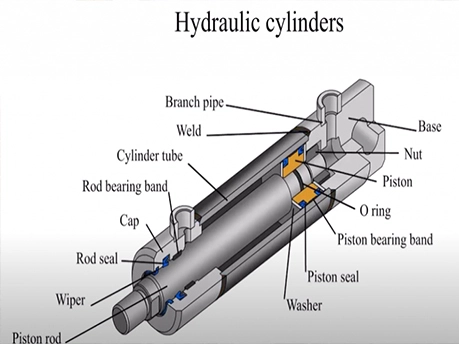
The component name is one of the most important parts of an RFQ. State whether you need a kit for:
Boom, arm, or bucket hydraulic cylinder
Hydraulic breaker
Hydraulic pump
Control valve
Swing motor
Travel motor
Track adjuster
Pilot valve
Center joint
Transmission or another identified assembly
If the component is not known, describe where it is installed and what symptom led to the repair request. A photo of the complete assembly can also help the supplier understand the application, but it should be used together with model or part-number information rather than as the only proof of compatibility.
A part number is often the fastest way to narrow an RFQ. Copy the number from a reliable source and show where it came from, such as:
The old seal kit package
A parts book or service document
The equipment dealer's quotation
The original seal or component
A previous purchase record
Check every character carefully. A missing dash, changed letter, or transposed digit can lead to a different search result. If more than one reference number is available, list them separately and explain whether they are an OEM number, an aftermarket reference, or an internal stock number.
A supplier should still review the part number against the machine model and component. A number by itself is useful evidence, but it should not be treated as an automatic compatibility guarantee.
When the reference number is incomplete or uncertain, dimensions can help the supplier identify the sealing arrangement. Depending on the component and seal design, useful information may include:
Rod diameter
Bore diameter
Groove or housing dimensions
Seal cross-section
Overall seal dimensions
Quantity of each required piece
Use a suitable measuring tool and record the unit, such as millimeters or inches. State whether a dimension was measured from the housing, the old seal, a drawing, or another source. Measurements from worn, deformed, or damaged seals may not represent the original design size, so they should be treated as supporting information rather than the only identification method.
Do not round a measurement more than necessary. If you are not sure which dimensions are required, send the available information and ask the supplier which additional measurements are needed.
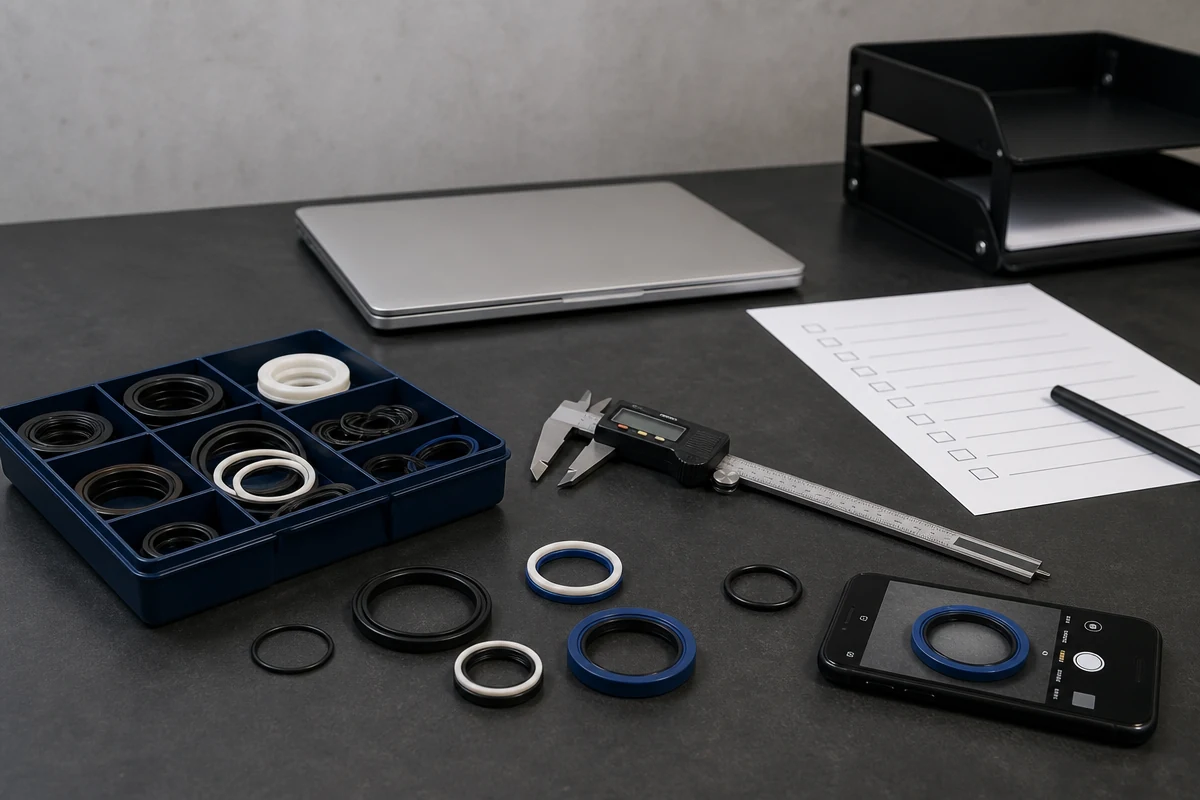
Good photos reduce uncertainty during the first RFQ review. Take separate images of:
The machine model plate or identification area, if it can be shared safely.
The complete hydraulic component and its installation position.
The old seal kit or package label.
Each seal laid flat, with the sealing profile visible where possible.
Any part-number marking, drawing, or previous quotation.
The measuring tool and the dimension being recorded, when a measurement is important.
Use even lighting and keep the camera parallel to the part for profile photographs. Avoid strong shadows, reflections, heavy oil contamination, and images where several unidentified parts overlap. A close-up is useful, but a wider reference image helps the supplier understand which component the seal belongs to.
Before sending photos, remove confidential customer information, private addresses, or documents that you are not authorized to share.
Tell the supplier whether the request is for:
One repair kit for a single machine
Several kits for a workshop job
Replenishment stock for a parts distributor
A mixed list for a fleet
Samples before a larger order
If the order contains several models or components, put each item on a separate line. For every line, include the model, component, reference number, required quantity, and any notes about packaging or labeling.
You can also specify how the goods should be identified, for example by model, reference number, internal SKU, or job number, if that information is part of your normal receiving process. The supplier should confirm what packaging and labeling options are actually available before the quotation is finalized.
The working environment can affect the information needed for a seal selection. Where known, include:
Hydraulic fluid or working medium
Approximate operating temperature range
Pressure or duty information from the equipment documentation
Reciprocating, rotating, or static movement
Exposure to dust, mud, water, chemicals, or abrasive material
The reason for replacement and any recurring failure pattern
If you do not have confirmed engineering data, say so. It is better to write “operating temperature not confirmed” than to guess a value. A supplier or engineer can then identify what must be verified before a material or design is approved.
A complete RFQ should also explain what you need from the supplier. Depending on the project, this may include:
Quotation currency
Destination country or port
Preferred shipping method, if known
Required commercial documents
Packaging or labeling instructions
Sample request
Target purchasing date
Whether the request is for a one-time repair or continuing supply
Do not ask for a guaranteed delivery date before the supplier has confirmed the product, production status, quantity, and shipping route. A practical RFQ first establishes the correct item, then confirms the commercial and delivery terms.
For a mixed excavator-parts request, the following structure keeps the information organized:
| Item | Machine model | Component | OEM/reference number | Dimensions | Quantity | Photos | Notes |
|---|---|---|---|---|---|---|---|
| 1 | Verified model | Hydraulic cylinder | Reference number | Available dimensions and unit | Required quantity | Attached | Sample or packing request |
| 2 | Verified model | Component name | Reference number | Available dimensions and unit | Required quantity | Attached | Operating condition or application |
This table does not replace engineering verification. It helps both the buyer and supplier see which information is confirmed and which information is still missing.
A missing part number does not always prevent an RFQ, but the request should include more supporting evidence. Send the machine model, component location, clear photos, available dimensions, the old seal or package, and the reason for replacement. If possible, include a parts-book reference or drawing from the equipment owner.
Ask the supplier to identify the information still needed for review. Avoid ordering a visually similar kit until the component and reference data have been checked. A seal that looks similar may still have a different profile, size, material requirement, or application.
Before sending your hydraulic seal kit RFQ, confirm that:
The machine brand and exact model are written correctly.
The hydraulic component is identified or described with photos.
Every available OEM, reference, or internal part number is copied carefully.
Dimensions include units and the measurement source is clear.
Photos show both the part and its application context.
Quantity is stated for every line item.
Material and operating-condition information is included when known.
Packaging, labeling, sample, destination, and document requirements are listed.
Unconfirmed details are marked as “to be confirmed” rather than guessed.
Confidential information has been removed from attachments.
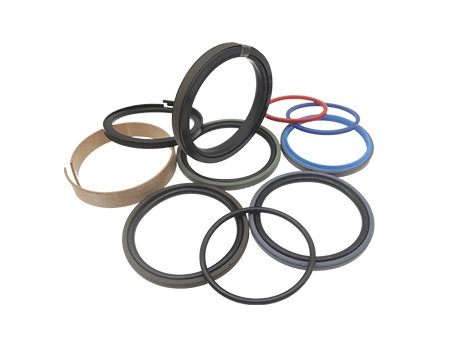
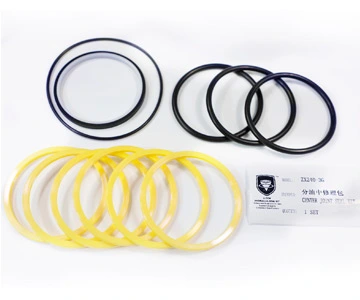
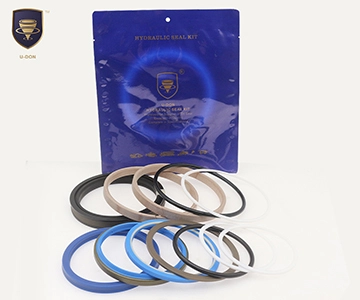
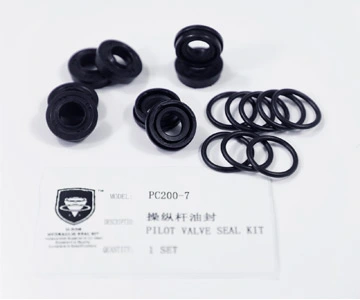
JR Seal supplies engineering machinery seals and hydraulic sealing products for international B2B customers. The website product range includes hydraulic cylinder seal kits, hydraulic breaker seal kits, hydraulic pump seal kits, control valve seal kits, swing motor seal kits, travel motor seal kits, track adjuster seal kits, O-ring kit boxes, and other sealing products.
For a more efficient review, send your machine model, component, reference or part number, available dimensions, photos, quantity, and destination with your inquiry. If some information is unavailable, explain what you have and identify the missing details. This gives the JR Seal team a clearer basis for reviewing your request.
You can also review the Hydraulic Cylinder Seal Kit product range, the Customization service, and the Company Profile before sending your request.
The machine model, hydraulic component, OEM or reference part number, photos, available dimensions, quantity, and destination are usually the most useful starting information. The exact requirements depend on the component and the quality of the reference data.
Yes, you can send the machine model, component description, photos, dimensions, and any parts-book or previous-purchase information available. The supplier may need additional evidence before confirming the item.
The old seals and their packaging can provide useful supporting information, but worn or damaged seals may have changed shape. Use them together with the machine model, component, measurements, and reference numbers.
List each model and component on a separate line, with its reference number, quantity, photo set, packaging or label requirement, and any internal SKU or job number. This makes the quotation easier to review and receive.
A photo can help identify the component and guide the next questions, but it should not be treated as the only basis for compatibility. Final review should use the available model, part-number, dimension, drawing, and application information.