English
 Indonesia
Aug 21 2026
Hydraulic Cylinder Seal Kit or Individual Seals? A Procurement Guide for Equipment Fleets
Read More >
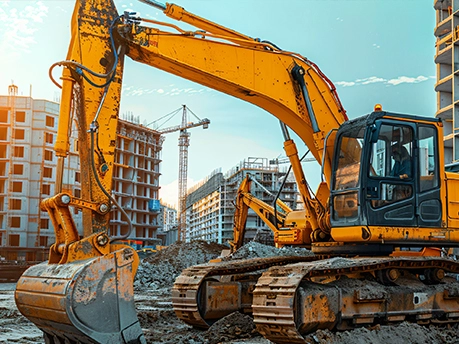
An excavator and a backhoe loader can both use hydraulic cylinders, but an equipment name alone does not identify a replacement seal kit. The same machine category can contain several cylinders and components, and the correct purchasing record depends on the exact machine, the cylinder location, the reference information, and the evidence available for review.
For buyers, the important question is not simply whether the request says “excavator seal kit” or “backhoe loader seal kit.” The important question is whether the supplier can connect the request to a specific machine model, cylinder or component, part number, dimensions, photos, application, and quantity.
This guide focuses on that verification process. It does not treat a similar-looking seal, a broad equipment category, or a machine photo as proof of compatibility.
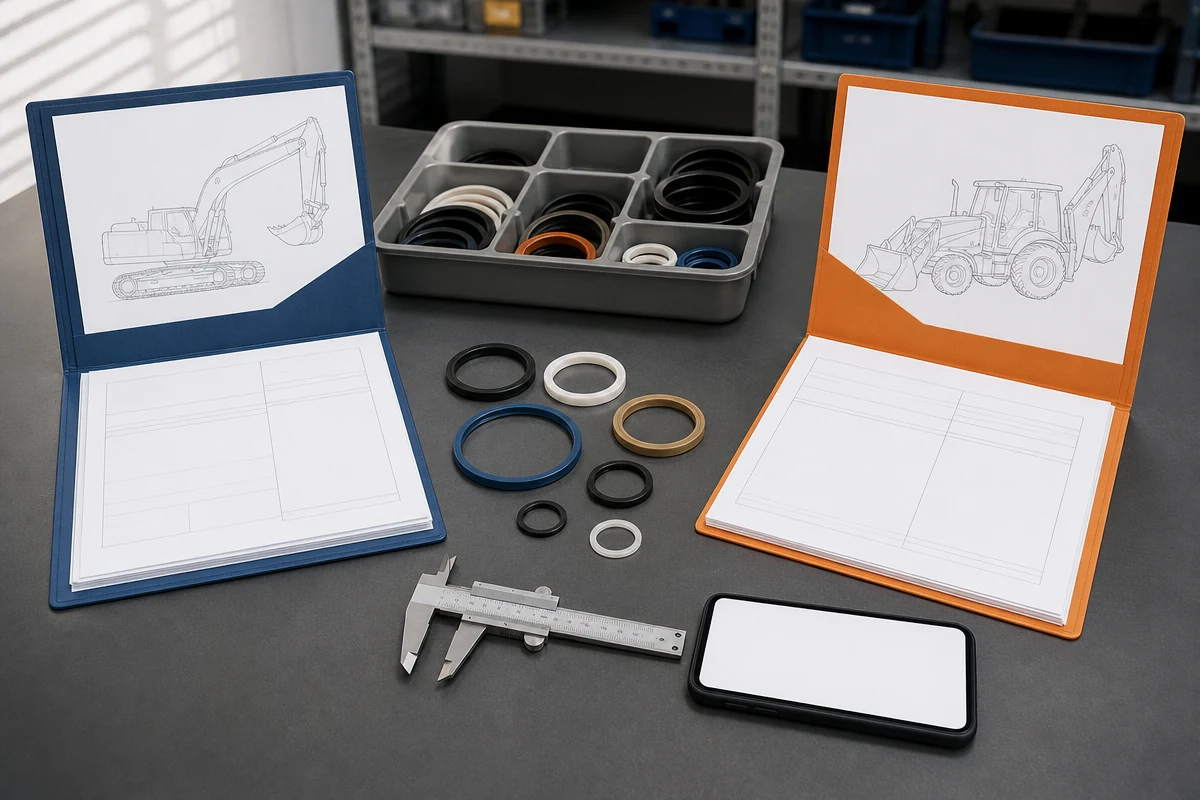
A conventional excavator request may identify a boom, arm, bucket, travel, blade, or another hydraulic cylinder. A backhoe loader can combine loader functions at the front with backhoe functions at the rear, so the component description is especially important when a buyer asks for a cylinder seal kit.
The equipment category helps organize the request, but it should not replace the component name. For example, “backhoe loader seal kit” is not a complete identification record if the buyer has not stated whether the request concerns a loader lift cylinder, bucket cylinder, stabilizer cylinder, boom cylinder, dipper cylinder, or another assembly.
The same principle applies to excavators. A request that says only “seal kit for a 20-ton excavator” does not identify the cylinder or component well enough for a responsible supplier to confirm a match.
Before asking for a quotation, record:
Machine category: excavator, backhoe loader, or another equipment type
Brand and exact model designation
Series or variant, when shown on the machine documents
Cylinder or component location
OEM, supplier, or previous seal kit reference
Quantity of cylinders or kits required
Photos of the machine plate, cylinder, old seals, labels, or packaging
If the component cannot be identified, label the request as incomplete instead of converting a broad equipment description into a specific kit claim.
Machine model information is useful, but it may not uniquely identify the sealing requirement. A machine can have several hydraulic cylinders, and component revisions or replacement assemblies may require different reference information.
A stronger RFQ connects the equipment model to the exact component. Use a record such as:
| Information layer | What the buyer should provide | Why it matters |
|---|---|---|
| Equipment | Brand, model, series or variant when available | Establishes the machine context |
| Component | Cylinder name and position | Separates loader, boom, arm, bucket, stabilizer, travel, or other requests |
| Reference | OEM or previous kit/part number | Gives the supplier a traceable identification point |
| Physical evidence | Photos, markings, dimensions, drawing or old packaging | Supports review when a reference is missing or unclear |
| Order scope | Kit or individual seals, quantity, packaging needs | Defines what the quotation must cover |
| Application | Confirmed working environment and fluid information | Helps the supplier determine what requires technical review |
The table is a buyer-side documentation framework. It is not a compatibility chart and should not be used to infer that a model automatically maps to one seal kit.
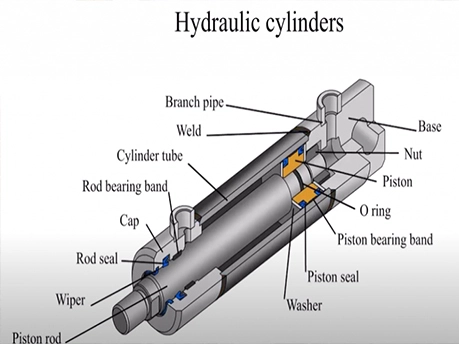
For an excavator cylinder seal kit, start with the cylinder or component rather than the seal shape. The supplier should be able to see which part of the machine the request covers and which reference evidence supports the proposed match.
Write the complete model designation as it appears in the machine records. Then state whether the request concerns a boom, arm, bucket, blade, travel, or another cylinder. If the cylinder has an identification plate or previous repair record, include a clear image of it.
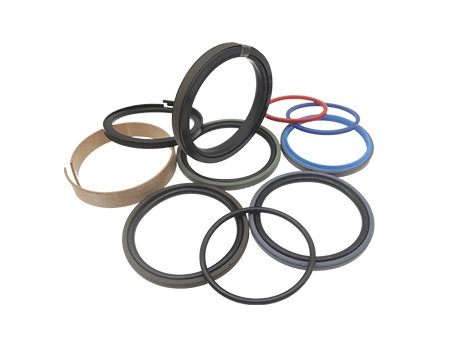
State whether the order is for a complete cylinder seal kit or one or more individual sealing positions. A request for a kit should not be reduced to a single rod seal or piston seal based only on an image. Conversely, an individual replacement should not be expanded into a complete kit without a defined repair scope.
Useful evidence may include the old kit label, part number, supplier code, component drawing, service record, or clear photos of the removed parts. Each item should be associated with the correct machine and cylinder so that records from different repairs are not mixed.
When a reference number is missing, buyers may be asked for measurements or a drawing. Record the measurement method and the part to which it relates. Dimensions can support review, but a measurement taken from a worn seal does not by itself prove the original design or final compatibility.
The supplier needs to know how many kits or repair sets are required. If the buyer needs kit-level labels, component-level bags, a packing list, or another identification method, state that requirement before quotation rather than after shipment.
Backhoe loader requests need the same evidence chain, with extra attention to the machine’s front and rear working assemblies. The phrase “backhoe loader cylinder” can describe different components depending on which function is being repaired.
For a front loader-related request, identify the cylinder position and function used by the equipment records. Do not assume that a loader cylinder kit is interchangeable with a backhoe-side cylinder kit simply because both are installed on the same machine.
For a rear backhoe-related request, state whether the request concerns the boom, dipper, bucket, stabilizer, or another named cylinder. Include the model designation and any cylinder or kit reference visible on the equipment or existing packaging.
For either side of the machine, provide:
Exact machine brand and model
Component name and position
Part or kit number, if available
Photos of labels, old parts, and packaging
Dimensions or drawing references requested for review
Quantity and repair scope
Application information that the buyer can confirm
Packaging and labeling requirements
If the component name is unknown, the safest next step is to request an identification review, not to select a kit from the machine category alone.
Photos can show useful clues: a machine plate, a cylinder label, an old kit box, part markings, seal profiles, and the overall equipment context. They are most useful when they are sharp, well lit, and linked to a specific component.
A photo should not be used as the only basis for a compatibility claim when the key reference or dimensions are missing. Similar profiles can appear across different applications, and worn, stretched, cut, or contaminated seals may not represent their original dimensions.
When possible, provide separate images for:
Machine model or serial information that the buyer is authorized to share
Cylinder or component location on the equipment
Old seal kit label, box, or packing list
Individual seal markings or profile, with a scale reference where appropriate
Drawing, part-number record, or repair documentation
Packaging or labeling instructions for the new order
Do not include confidential customer information or private documents that the buyer is not authorized to share.
“Excavator seal kit” and “backhoe loader seal kit” describe a purchasing topic, not a verified item. The record still needs the machine, component, reference, and order scope.
A backhoe loader can contain several cylinder groups. Keep the front loader and rear backhoe component records separate unless an engineering or supplier record confirms their relationship.
A similar-looking seal or kit image may help start a review, but it should not be treated as evidence that two items are interchangeable.
A complete kit, an individual rod seal, and a replenishment quantity are different order scopes. State which one the quotation should address.
Do not add a model-to-kit relationship to the company catalog because it appeared in a marketplace listing or a third-party search result. Add it only after the relationship is confirmed through the company’s product records or supplier review.
If the part number, component, dimensions, or application remains unconfirmed, mark it as pending review. A visible uncertainty is safer than a confident but unsupported compatibility statement.
Use this checklist before asking a supplier to finalize a quotation:
Is the equipment category recorded correctly?
Is the full brand and model designation available?
Is the cylinder or component position named?
Is the request for a complete kit or individual seals?
Is there an OEM, supplier, previous kit, or part reference?
Are photos linked to the correct machine and component?
Are dimensions or drawings available when a reference is missing?
Is the required quantity clear?
Are packaging and labeling requirements stated?
Are application details limited to facts the buyer can confirm?
Are uncertain items marked for supplier review?
Will the final quotation record show what evidence was used for matching?
This checklist is intentionally conservative. Its purpose is to reduce avoidable ambiguity before a supplier evaluates the request, not to replace the supplier’s technical confirmation.
JR Seal’s public product information includes an Excavator Hydraulic Cylinder Seal Kit category and product entries for excavator and backhoe-related applications, including a Case backhoe loader entry. This public listing is an entry point for an inquiry; it is not a statement that every excavator or backhoe loader model is automatically compatible or available.
For a specific request, send the machine model, cylinder or component, reference number, photos, dimensions or drawings, quantity, and any packaging or documentation requirements. If the request concerns a model or component not shown in the public catalog, state that clearly and ask whether it can be reviewed as a custom or identification request. Final compatibility should be based on the model, component, reference evidence, measurements, drawings, and supplier confirmation.
Review the Excavator Hydraulic Cylinder Seal Kit page and the broader Hydraulic Cylinder Seal Kit category. For custom information, see Customization, or use Contact Us to submit the request.
Not automatically. Both equipment types can use hydraulic cylinders, but the component position, machine model, reference number, dimensions, and application must be checked before a supplier confirms a match.
A machine model can start the review, but it may not identify the exact cylinder or sealing requirement. Include the component name, reference information, photos, dimensions or drawings, and quantity when available.
Dimensions can support a review, especially when a reference is missing, but they should be considered together with the component, application, material requirements, photos, drawings, and supplier confirmation.
Send the complete machine model, exact cylinder or component, clear photos of the machine plate and old parts or packaging, available measurements, repair scope, quantity, and any drawing or service-record information. Ask the supplier to identify which items remain unconfirmed.
No. A public product or category page is an information and inquiry entry point. Current availability, exact compatibility, quantity, and delivery conditions must be confirmed for the specific request.
Excavator and backhoe loader cylinder seal kit purchases should be organized around evidence, not just equipment category names. The strongest request connects the machine to the exact component, reference number, photos, dimensions or drawings, repair scope, quantity, and packaging requirements.
When the evidence is incomplete, request a compatibility review instead of guessing. This approach helps buyers, repair shops, distributors, and suppliers keep the final quotation tied to verifiable information and makes uncertain items visible before an order is released.